
Programmes
- Programme CodeMSC-008
- Duration2 Years
- ProgrammePost Graduate Programme
- Department Department of Agriculture
Agronomy is the branch of agriculture science that deals with principles and practices of soil, water, crop and nutrient management. It deals with the sustainable management of complex physical, chemical and climatological environment with dual aim of improving agricultural production and productivity.
The best colleges for agriculture in India equip the interested candidates with industrious knowledge of Agronomy. It includes research on plant genetics, plant physiology, meteorology and soil science. Agronomists work in the area of crop yield, plant infection, diseases, cultivation, pest and weed management. This specialist area of agriculture is very important in today’s context since the need for healthy, pest-resistant, and high-yielding crops is the need of the hour, as is utilising the entire plant for various purposes for human betterment.
The two-year Master of Science in Agronomy programme offered by the Department of Agriculture is aimed at providing in-depth knowledge to the students to become on-field crop experts or researchers and academicians with an understanding of the various facets of this subject and its applicability in agricultural settings. The MSc Agriculture Colleges in UP cover various subjects under this programme including Modern Crop Production Concepts, Physiology of Drought, Herbicides and Crop Production, Physiological Aspects of Crop Yield, Principles of Crop Nutrition, Advanced Irrigation Agronomy, Crop Ecology, Applied Conservation Agronomy, and Arid Zone Agronomy.
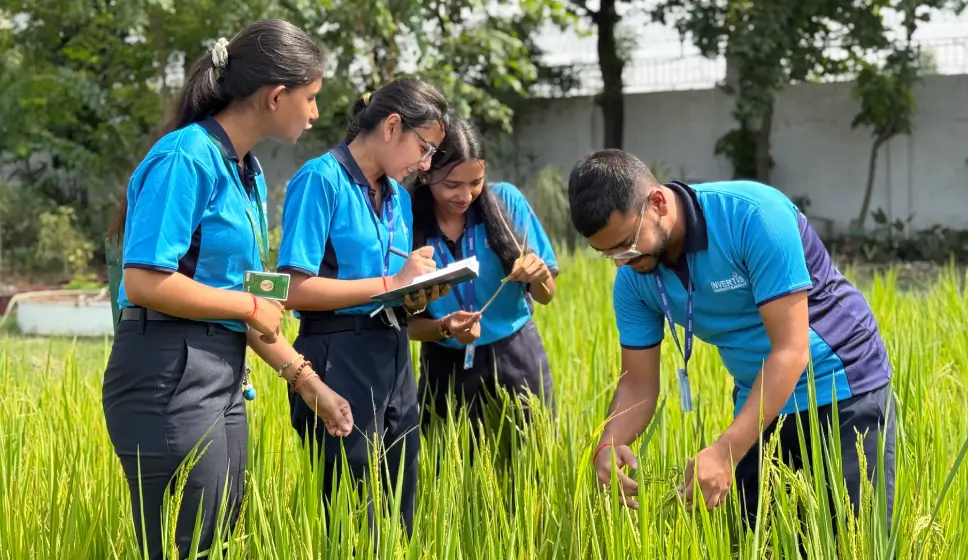
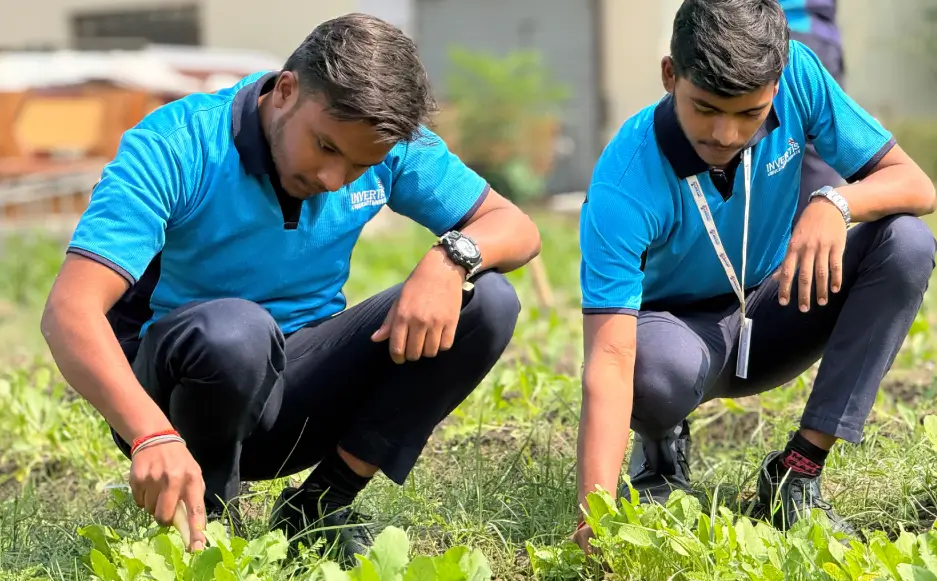
The practical aspect of the programme takes students to lab settings for research on soils, plants, plant genetics, natural manures and controlled environment farming. The research papers are also an important part of the course completion, as are poster and plant species researched, presentations and group projects. Students also present the utility of plant parts in various applications and visit organic farms, agronomic research facilities and labs outside the university. Experts are also invited to hold talks and help students increase their knowledge.
50,000 1stYr.
50,000 2ndYr.
B.Sc.Agriculture/B.Sc.(Hons.) `Agriculture/Forestry`
On the basis of Merit/ CUET/IUCET.
 1st Year Syllabus
 - Government Sector: FCI, Banking sector as AFO, APEDA, DHO, Lecturer, Subject Matter Specialist (SMS), Agronomist, Research Fellow, Scientific position in DRDO, PCS officer (STA)
- Private Sector: Research Analyst, Agronomist in different seed and fartilizer companies etc.
Frequently Asked Questions
The majority of colleges require a Bachelor’s degree in Agriculture (B.Sc. in Agriculture or B.Sc. (Hons.) in Agriculture or Forestry), which can be merit-based admission or CUET or college-specific entrance test scores-based admission.
As Agronomy delves into the science of soil, water, and crop management, which are increasingly becoming important every year because of Indian efforts towards sustainable increase in yield production, the right agriculture college will give you practical experience in field practices, laboratory work in genetics and soil studies, trips to organic farms, and meetings with practicing agronomists.
Government sector career prospects include jobs at FCI, APEDA, district agriculture departments, and scientist-level posts in organizations like DRDO, Subject Matter Specialist/Agricultural Field Officer in banks. For private organizations, there are options in research and agronomy jobs at seed/fertilizer companies. Teaching is another option that many M.Sc. agriculture graduates take up, or furthering their education by opting for a Ph.D. degree.
Within Agronomy itself, the curriculum includes courses in areas such as:
Crop Physiology, Irrigation, Weed & Herbicide Management, Soil Nutrition, Arid Zone/Conservation Agronomy.
Look at how much practical exposure the course actually offers — lab access, farm visits, and research opportunities matter a lot in this field. It's also worth checking placement records with agri-based companies, faculty research interests, and whether the syllabus keeps pace with current agricultural practices rather than staying purely theoretical.


