
Programmes
- Programme CodeMSC-006
- Duration2 Years
- ProgrammePost Graduate Programme
- Department Department of Agriculture
A 21st-century neo-subject, Food Technology is the amalgamation of food science and technology for the purpose of selection, preservation, processing, packaging, distribution and use of safe food on a large scale.
The related fields of food technology that influence and impact food technology procedures and processes are analytical chemistry, biotechnology, engineering, nutrition, quality control, and computer technology. Food technology is playing an important role in ensuring that human populations receive food that helps them maintain optimum health and meets the world's food safety standards.
The two-year Master of Science in Food Technology programme offered by the Department of Agriculture, which is one of the best MSc food technology colleges in India, helps the students gain skills and knowledge related to both the theoretical and practical aspects of Food Science and how technology can be used to achieve research, academic and industry purposes. The curriculum includes subjects such as Food Chemistry and Nutrition, Food Microbiology, Packaging Technology, Principles of Food Processing, Dietetics, Cereal, Legume, Fruit and Vegetable Technology, Fermentation Technology, Plantation Crops, Food Toxicology, Technology of Dairy, Poultry, Meat and Fisheries, and Post Harvest and Food Additives Technology. Postgraduation in Food Technology, thus, becomes an advantageous option upon completion of an undergraduate degree from the BSc Food Technology Colleges in UP.
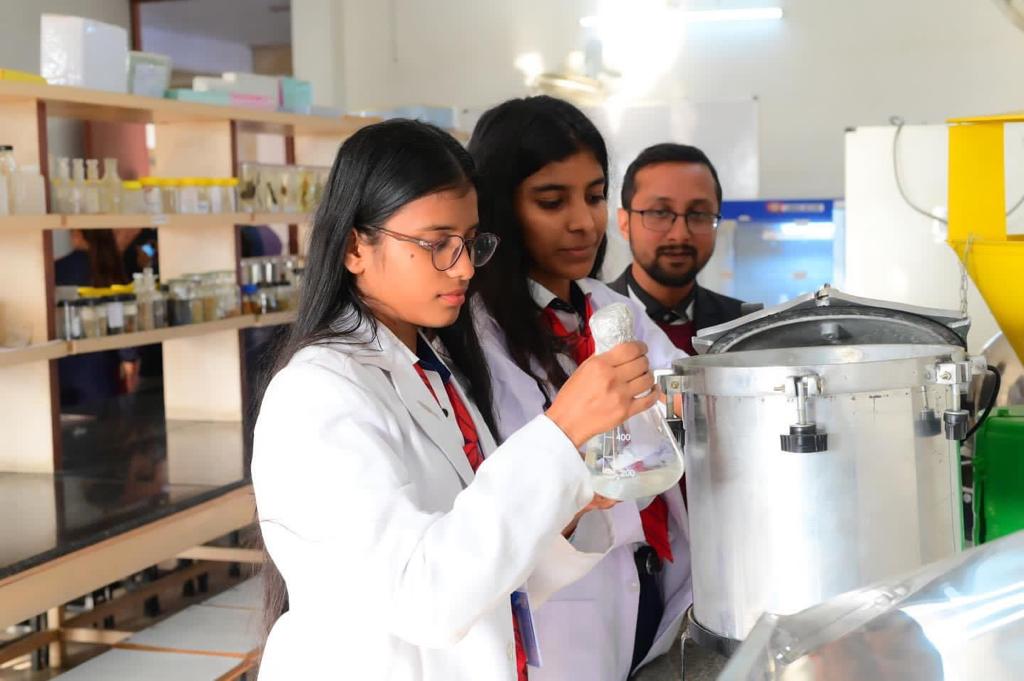
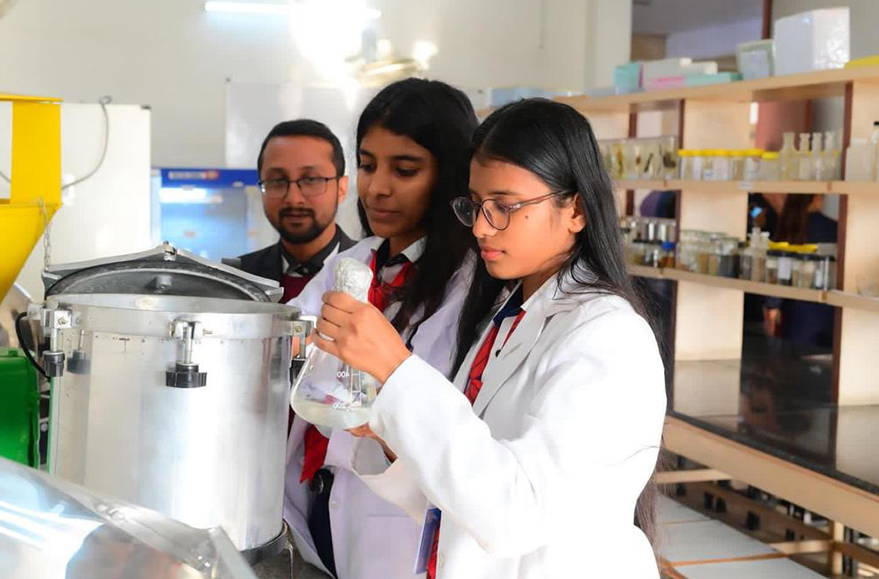
In MSc Food Technology, the learning from the classroom is transferred to lab settings where detailed experimentations are carried out in all the areas covered in the theoretical lectures. Being a practice-based profession, the students of food technology at one of the top food technology colleges in UP are thus able to raise their expertise in making useful applications in the lab and become job-ready upon graduation. Visits to food technology companies and research labs, as well as government and private enterprises, form part of the learning. Projects, research papers and dissertations are essential aspects of curriculum completion.
55,000 1stYr.
55,000 2ndYr.
B.Sc./B. Tech/B.Voc. PCM/PCB/PCMB/Agriculture/Home Science/Biotechnology/Food Technology.
On the basis of Merit/ CUET/IUCET.
 1st Year Syllabus
 - Government Sector: FCI, Banking sector as AFO, APEDA, FSSAI, Food safety officers under state governments, Technical position in DRDO & BARC, Food processing development officers under ministry of food processing industries.
- Private Sector: COCA COLA, Pepsico, Mondelez International, Britannia, ITC, General Mills, Dabur, Farrero Rocher etc.
Frequently Asked Questions
The applicant must have a B.Sc., B.Tech, or B.Voc. degree in PCM, PCB, PCMB, Agriculture, Home Science, Biotechnology, or Food Technology. Admission to this program depends either on the merit of the student or on his CUET/IUCET score.
One will develop practical laboratory skills in terms of food chemistry, microbiology, and processing technologies. One will also get skilled in testing the food quality and evaluating it using proper instruments. Other than that, the program also makes sure that students work in terms of conducting research, writing reports, and presenting the results.
Yes, especially if one likes working in the laboratory and solving real-world problems related to food safety and shelf-life. This program gives opportunities in terms of government jobs (Food Safety Officer, PSU jobs, etc.) as well as in private sector jobs (FMCG, Dairy, Beverages, and Packaging). In addition to that, it is a good program for those who wish to pursue research and teaching after the course.
This is a two-year post-graduate program which is divided into four semesters.


